
Creating a relaxing home workspace is essential for anyone who spends a significant amount of time working from home. A well-designed area can boost your productivity, reduce stress, and improve overall well-being. Whether you have a dedicated room or just a small corner, these tips will help you craft a space that feels calm, comfortable, and inviting.
Why a Relaxing Workspace Matters
Working at home offers flexibility, but it can also lead to distractions and stress if your workspace isn’t thoughtfully arranged. A relaxing workspace supports:
– Focus: A clutter-free, well-organized area helps you concentrate.
– Comfort: Ergonomic furniture and soothing colors reduce physical discomfort.
– Mood: Pleasant surroundings can lift your spirits and reduce anxiety.
Choose the Right Location
The first step is selecting the ideal spot for your workspace.
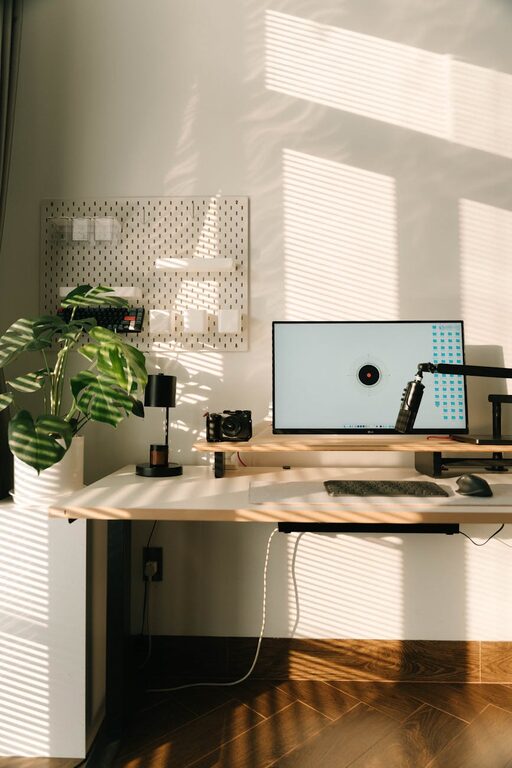
– Natural light: Position your desk near a window to benefit from daylight. Natural light improves mood and alertness.
– Quiet area: Find a place with minimal noise and distractions.
– Space: Ensure there’s enough room for your computer, supplies, and movement.
If space is limited, consider using screens or room dividers to create a small, dedicated nook.
Invest in Comfortable Furniture
Comfort is key in a relaxing home office.
– Ergonomic chair: Choose an adjustable chair that supports your back and encourages good posture.
– Desk height: Your desk should be at a height where your arms rest comfortably when typing.
– Footrest: This can help reduce strain on your legs if your feet don’t rest flat on the floor.
Avoid working from your bed or sofa, as these can lead to poor posture and discomfort.
Keep It Organized and Clutter-Free
An organized workspace helps clear your mind.
– Storage solutions: Use shelves, drawers, or bins to store supplies neatly.
– Daily tidying: Spend a few minutes at the end of each day to put things away.
– Cable management: Use clips or covers to keep cords tidy and out of sight.
Try to keep only the essentials on your desk to maintain a clean and inviting area.
Use Calming Colors and Decor
Colors can affect your mood and focus.
– Soft hues: Shades like light blue, green, or beige can create a calming atmosphere.
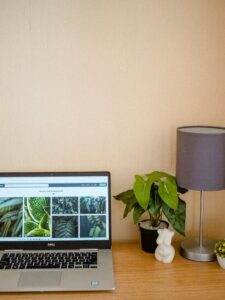
– Personal touches: Add items that bring you joy, such as plants, photos, or artwork.
– Minimal decorations: Keep decor simple to avoid distractions.
Plants are especially beneficial as they improve air quality and add a natural feel.
Control Lighting and Noise
Proper lighting and minimal noise help maintain relaxation.
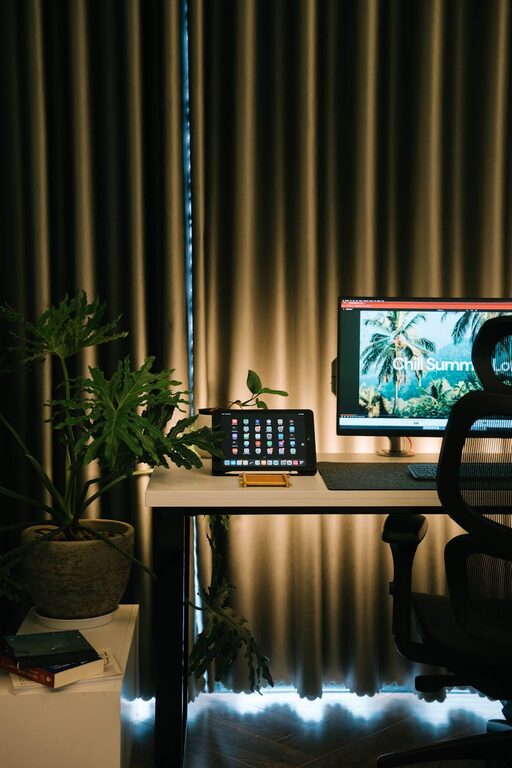
– Layered lighting: Combine natural light with task lamps and ambient lighting.
– Adjust brightness: Use dimmers or adjustable lamps to reduce eye strain.
– Noise control: Use noise-canceling headphones, white noise machines, or soft background music if needed.
Avoid harsh overhead lights and glare on your screen.
Add Elements That Promote Relaxation
Incorporate features that calm your mind during breaks.
– Aromatherapy: Use essential oils or candles with scents like lavender or eucalyptus.
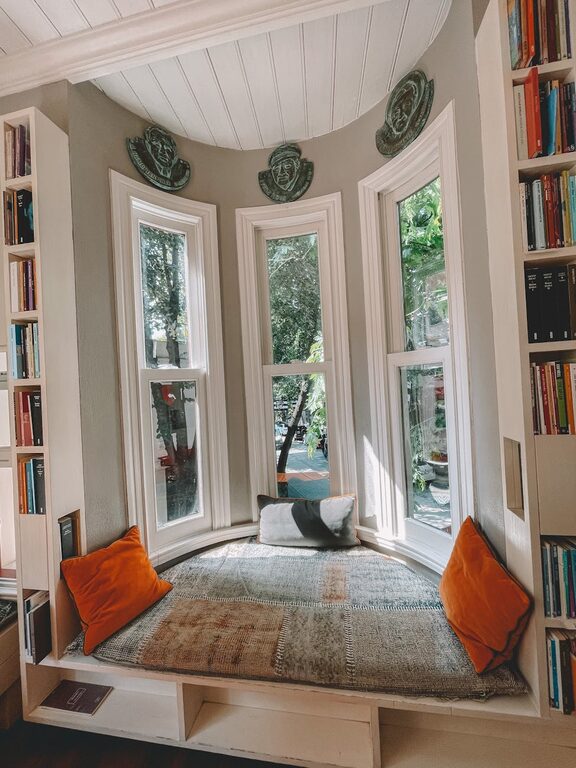
– Comfort items: Keep a cozy blanket or cushion nearby.
– Break space: If possible, create a small area for quick stretches or meditation.
Regular breaks in your relaxing workspace will refresh your focus and reduce tension.
Optimize Technology for Efficiency
Technology can either reduce or increase stress.
– Proper setup: Position your monitor at eye level and about an arm’s length away.
– Reliable equipment: Invest in quality headphones, keyboard, and mouse.
– Cable organization: Keep wires tidy to avoid frustration.
Ensure your internet connection and devices work smoothly to avoid tech interruptions.
Establish Boundaries
A relaxing workspace also depends on how you manage your work-life balance.
– Set working hours: Keep regular hours to separate work from home life.
– Communicate boundaries: Let others in your household know when you’re working.
– End-of-day routine: Close your workspace to signal the end of your workday.
Clear boundaries help maintain your mental relaxation after work.
—
Creating a relaxing home workspace may take some effort but offers long-lasting benefits for your well-being and productivity. By choosing the right location, investing in comfort, keeping things organized, controlling lighting and noise, and incorporating calming elements, you can design a space that helps you enjoy working from home every day.