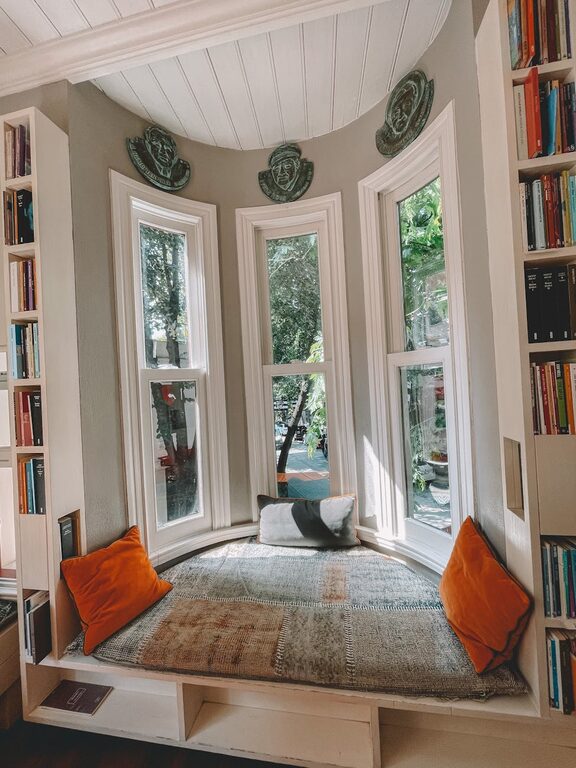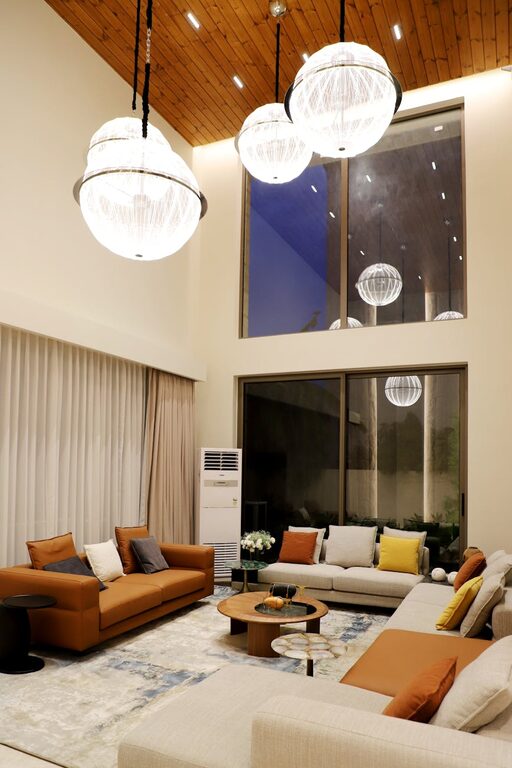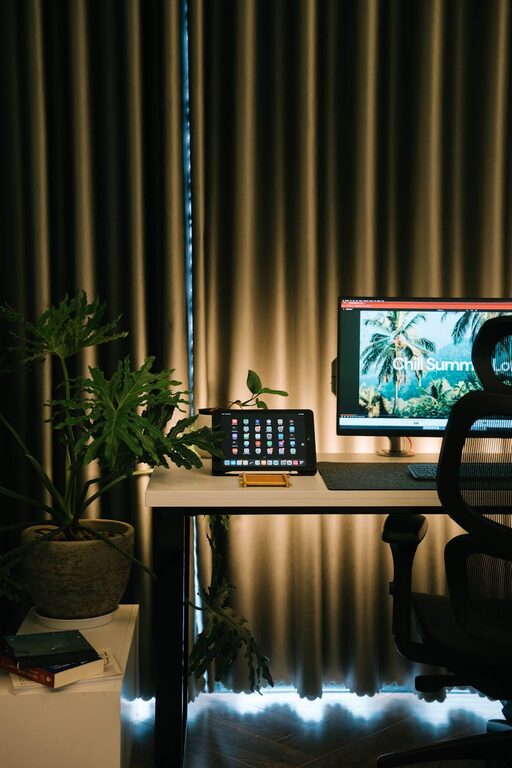



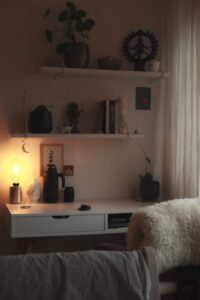
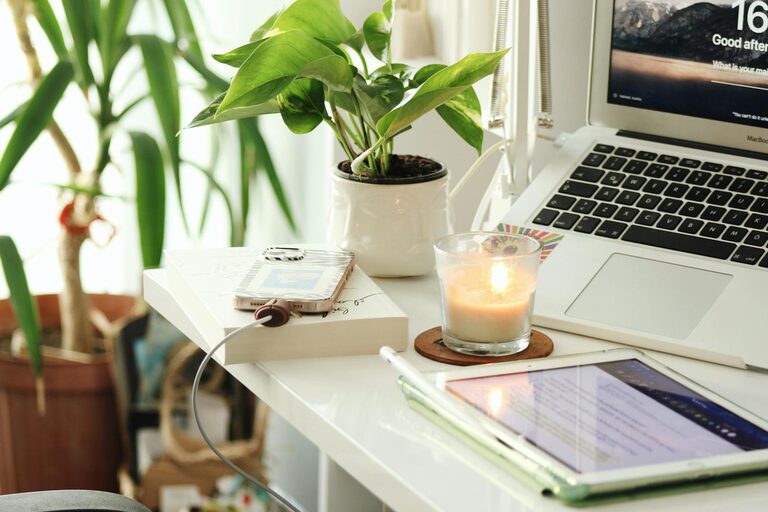
Creating a home office that is both cozy and productive can greatly improve your work-from-home experience. With the right setup, your home office can become a place where you look forward to spending time, while also helping you stay focused and efficient. Here are some helpful tips to design a space that combines comfort with functionality.
Choose the Right Location
Finding the perfect spot for your home office is the first step. Ideally, select a quiet area away from heavy foot traffic and distractions. If possible, a space with natural light will brighten your room and boost your mood. Corners of living rooms, spare bedrooms, or even a section of your bedroom can work well. The key is to pick a spot where you can separate work from relaxation, helping your mind shift gears more easily.
Invest in Comfortable and Supportive Furniture
A cozy home office starts with furniture that supports your body and enhances comfort.
– Ergonomic Chair: Choose a chair that supports your back and encourages good posture. Adjustable features can make a big difference over time.
– Desk: Pick a desk with enough surface area for your computer, notes, and any other essentials. Standing desks or adjustable options can add flexibility and reduce fatigue.
– Storage: Use shelves, filing cabinets, or storage boxes to keep your workspace tidy and organized.
Optimize Lighting for Comfort and Focus
Good lighting is essential for both comfort and productivity.
– Natural Light: Position your desk near a window if you can. Natural daylight helps reduce eye strain and can improve energy levels.
– Task Lighting: Add a desk lamp with adjustable brightness for focused work, especially during evening hours.
– Ambient Lighting: Use soft overhead lighting or floor lamps that create a warm and welcoming environment without harsh glare.
Personalize Your Workspace
Adding personal touches can make your home office more inviting and inspiring.
– Decor: Incorporate plants, artwork, or photos that make you happy.
– Colors: Choose calming colors like soft blues or greens, or energizing colors like yellows. Select colors that help you feel motivated and relaxed.
– Comfort Items: A cozy throw blanket, a favorite mug for coffee or tea, or a small sound machine for background noise can all add to the comfort.
Organize to Minimize Distractions
A cluttered desk can reduce focus and increase stress. Try these organizational strategies:
– Daily Declutter: Spend a few minutes at the end of each day clearing your desk.
– Use Organizers: Drawer dividers, pen holders, and document trays keep small items in place.
– Cable Management: Use clips, ties, or tubing to keep cords neat and out of the way.
Prioritize Technology and Connectivity
Reliable technology is a must-have for a functional home office.
– Fast Internet: A strong Wi-Fi connection helps avoid interruptions during meetings or online work.
– Quality Equipment: Invest in a good computer, headset, webcam, and keyboard to improve efficiency and comfort.
– Backup Options: Consider having a spare battery, power bank, or uninterruptible power supply (UPS) to avoid work disruptions.
Establish Boundaries and Work Habits
Creating a cozy and productive space is not only about design but also about habits:
– Set Work Hours: Define clear start and end times to create balance.
– Breaks: Schedule short breaks to stretch, hydrate, and rest your eyes.
– Separate Spaces: Avoid working from your bed or couch to maintain a mental distinction between work and relaxation.
Add Elements That Promote Well-being
Taking care of yourself in your home office benefits productivity:
– Air Quality: Open windows regularly to refresh the air or add an air purifier.
– Plants: Indoor plants can improve air quality and add a touch of nature.
– Ergonomic Accessories: Consider keyboard trays or footrests to reduce strain.
Final Thoughts
Designing a cozy and productive home office is about combining comfort with functionality. Start with a well-chosen location, invest in supportive furniture, optimize lighting, personalize your space, and organize effectively. With these tips, you can create a pleasant and efficient workspace that supports your work and well-being every day.